User-Testing Sites for Beginners: How They Pay
User-Testing Sites for Beginners: How They Pay
User-testing sites pay ordinary people to try a website or app, talk out loud while they use it, and answer a few questions at the end. Companies want to know where real users get confused before they launch something new, and they pay for that feedback. User-testing sites are a real way to earn a little money from home, but they are not a steady job — and knowing how the pay actually works keeps you from being disappointed.
How a user test works
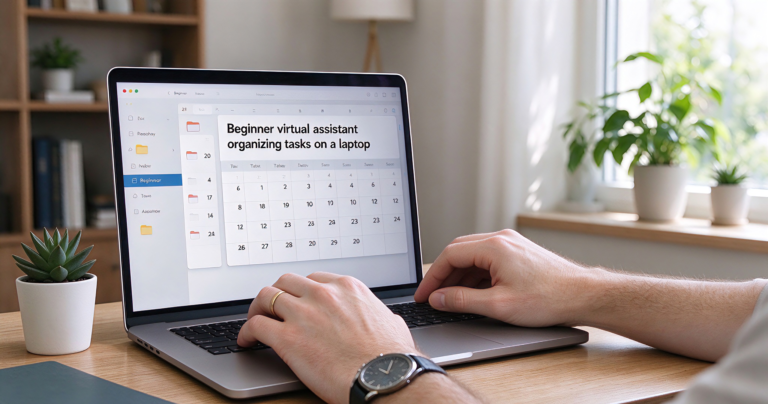
The basic flow is the same on nearly every platform. You sign up, fill in a profile about your age, interests, devices, and the things you buy, and then you take a short practice test. That practice test is usually a recorded screen session where you speak your thoughts out loud while completing a simple task, like finding a product on a website. A human reviewer watches it and decides whether your feedback is clear and useful.
Once you are approved, tests appear on your dashboard. Each listing shows the pay, the estimated time, and the devices you need. You take the tests that fit you, record your screen and voice, complete the tasks, answer the follow-up questions, and submit. The company reviews your test, and if it is accepted, you get paid.
What the pay actually looks like
Pay varies by platform and by test type, but the ranges below are typical for the well-known sites in 2026:
- Short recorded tests: about $10 for a 20-minute test is the standard on the biggest platforms. Some pay $4 to $8 for a 5-minute test.
- Live interviews: usually $30 to $60 for a 30- to 60-minute session, and some research studies pay $100 or more.
- Short surveys: often $1 to $5, depending on length.
Payment usually arrives through PayPal, and most platforms pay about a week after your test is approved — some pay in 14 days, and a few pay in 2 to 3 days. A few sites offer direct bank payment or gift cards instead, but PayPal is the most common.
Here is the honest part: the pay per test sounds good, but the number of tests you qualify for is small. You will not qualify for every test you apply to. Many tests ask for a specific kind of person — a parent who shops online weekly, a small business owner, someone who uses a particular banking app — and if you do not match, you get screened out before you start. Most beginners earn somewhere between $20 and $100 in their first month, and many earn less. Treat it as pocket money, not rent money.
The platforms worth knowing
You do not need to join twenty sites. A few established names cover most of the real work:
- UserTesting. The largest and best-known platform. Standard tests pay around $10, live interviews pay more, and work is fairly regular if your profile is complete. You need a quiet room and a decent microphone.
- Userlytics. Similar to UserTesting, with tests from international companies as well as US ones. Pay is comparable, and tests can arrive at odd hours depending on the client.
- Trymata (formerly TryMyUI). Smaller than UserTesting but legitimate, with tests that pay around $10 for about 20 minutes of work.
- Userfeel. Pays per test, often $10, and is known for approving testers quickly. Work can be sporadic.
- Respondent and dscout. These focus more on research studies and interviews than quick website tests. Pay is higher — often $50 to $200 for an hour — but studies are harder to get into.
Before you sign up anywhere, check the basics: the site should never ask you to pay a fee to join, never ask for your bank login, and never promise a fixed monthly salary. A real testing platform pays you; you never pay it. If a site asks for an upfront fee, walk away — that is the single clearest red flag in this space. For a full checklist, see Side-Hustle Scam Red Flags: A Checklist Before You Sign Up.
How to get accepted — and keep getting tests
Your practice test matters more than anything else. Reviewers are listening for clear, specific thinking out loud, not a silent person clicking around. Say what you expect to happen before you click, say what confuses you, and say what you would change. “This button is hard to find because it is the same color as the background” is useful feedback. “This is fine” is not.
A few habits that keep the tests coming:
- Fill out your profile completely. The more details you give, the more tests you match.
- Check your dashboard often. Tests go fast — the people who check two or three times a day get far more work than people who check once a week. Turn on email alerts too.
- Keep your ratings high. Companies rate your tests. Rushed, quiet, or sloppy recordings get you fewer invitations.
- Use a quiet room and a working microphone. Background noise and bad audio are the most common reasons a test gets rejected. A cheap headset microphone is usually enough.
What user testing is not
It helps to be clear about the limits. User testing is not a job with a schedule, and it is not a reliable income stream. There will be weeks with no tests at all, and weeks where you qualify for three in a day. You cannot plan your budget around it.
It is also not a path to a career by itself. But it is a genuinely useful first step: it teaches you to give clear feedback, it puts real money in your PayPal account faster than most other beginner side hustles, and it can lead to higher-paying research studies once you have a track record.
The smartest way to use it is as one small income stream among several. Pair it with a steadier gig — freelancing, tutoring, a weekend service — and let the test money be a bonus on top. For a broader comparison of what pays fast, see Your First $100 Online: What Pays Fast vs. What Takes Months. And if you move into freelancing and a client disappears, see What to Do When a Client Goes Quiet or Ghosts You.
FAQ
Do I need experience to start user testing?
No. Companies want ordinary users, not experts. The main skills are speaking your thoughts out loud clearly and following instructions. A short practice test is usually the only hurdle.
What equipment do I need?
A computer or phone, a stable internet connection, a microphone, and screen-recording software — most platforms provide their own recorder. A quiet room matters more than expensive gear.
How much can I realistically make?
Most beginners make $20 to $100 in their first month, depending on how many tests they qualify for and how often they check. A few people who fit popular demographics earn more. Nobody earns a full-time income from this alone.
Is user testing a scam?
The established platforms are legitimate, but scams exist. Never pay to join, never share bank logins, and be wary of any site promising hundreds of dollars a day. Stick to well-known names and check recent reviews before signing up.
IncomeXP publishes practical, hype-free guides to earning more — no promises, just information you can use.